
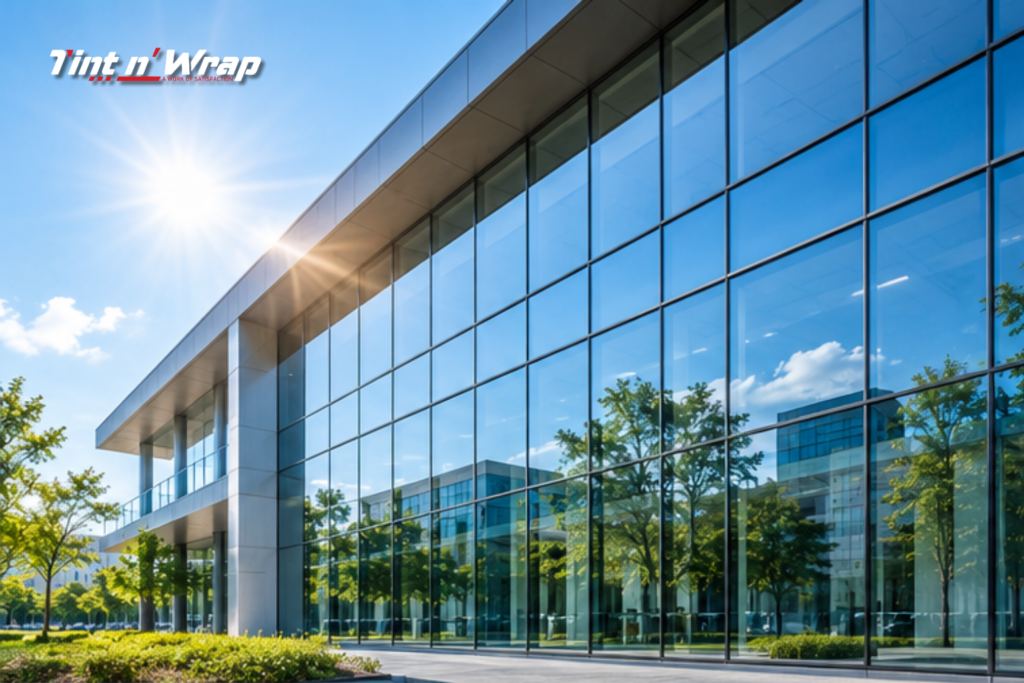
1. Why Does Broken Glass Pose a Safety Risk?
Glass is widely used in modern buildings, including residential windows, office partitions, shopfronts, glass doors and lift enclosures.
It offers excellent visibility and allows natural light to enter a space. However, ordinary glass can still break when exposed to impact, thermal stress or other external forces.
When glass breaks, the main concern is not only the damaged glass itself, but also the fragments produced.
These fragments may scatter in different directions or fall from elevated positions, potentially causing injuries or damage to nearby property.
This is particularly important in commercial buildings, offices and public areas where people frequently move around glass installations.
Managing the risks associated with broken glass is one of the reasons Safety Window Film is used in architectural applications.
2. How Does Safety Window Film Work?
Safety Window Film is a flexible, high-tensile film designed to be applied directly to glass using a specialised adhesive system.
When glass is struck and breaks, the film can help hold many of the broken fragments together rather than allowing them to scatter immediately.
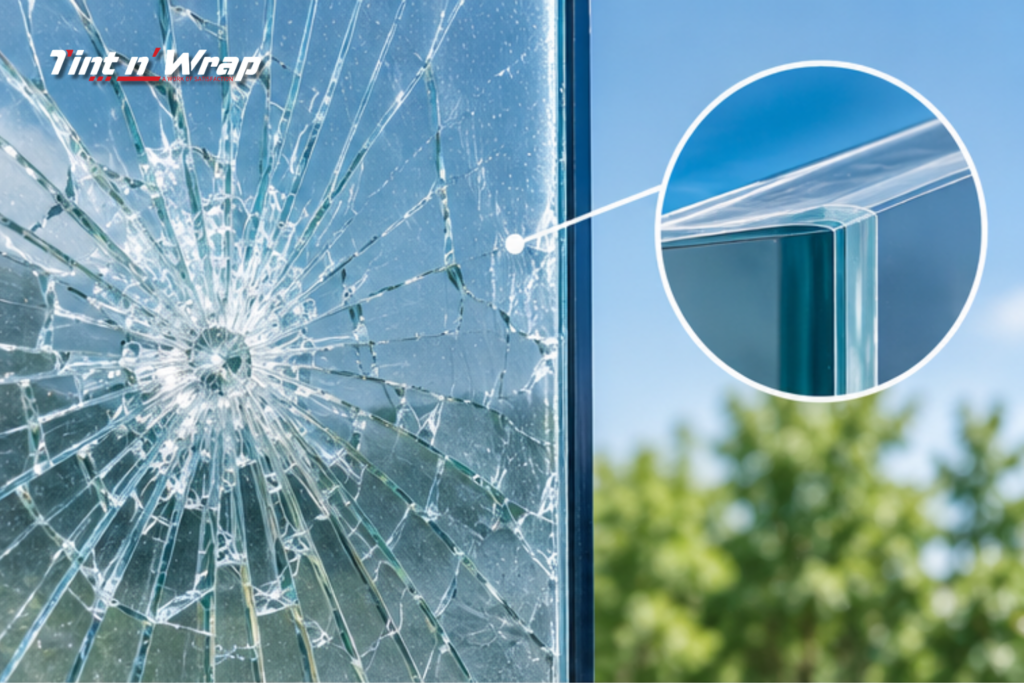
Its protective function mainly involves two aspects:
1. Helping Hold Broken Glass Fragments Together
When glass breaks, the film’s tensile strength and adhesive bond help keep fragments attached to the film layer. This can reduce the likelihood of broken pieces falling or scattering freely.
2. Reducing the Risk of Flying Glass
Under suitable product and installation conditions, safety film can help reduce the amount of glass released during breakage.
This helps make the aftermath of glass breakage more manageable and may reduce certain risks associated with flying fragments.
However, actual performance depends on several factors, including film thickness, film construction, adhesive strength, glass type, installation method and impact conditions.
Not all safety films provide the same level of protection.
3. Can Safety Window Film Prevent Glass from Breaking?
This is one of the most common misunderstandings among consumers.
Safety Window Film does not make glass unbreakable.
Its primary function is to help manage broken glass fragments after breakage. It does not guarantee that the glass will remain intact when subjected to sufficient force.
To understand the difference, consider these three types of glass systems:
-
Ordinary Glass: Can break when subjected to sufficient impact or stress, potentially producing loose fragments.
-
Glass with Safety Film: The glass can still break, but the film may help hold fragments together and reduce scattering.
-
Laminated Glass: Uses an interlayer bonded between glass sheets. When the glass breaks, fragments generally remain attached to the interlayer.
These systems have different constructions and protective characteristics.
For projects with higher requirements for impact resistance, intrusion resistance or fall protection, ordinary safety film alone may not be sufficient.
A suitable glazing system should be selected based on the actual risks, applicable standards and project requirements.
4. Where Is Safety Window Film Commonly Used?
Safety film can be considered for different types of architectural glass. However, its suitability should always be assessed according to the glass construction, installation environment and intended level of protection.
Residential Windows
Safety film can help reduce the risk of loose glass fragments after accidental breakage, adding another layer of protection to residential environments.
Office Glass Partitions
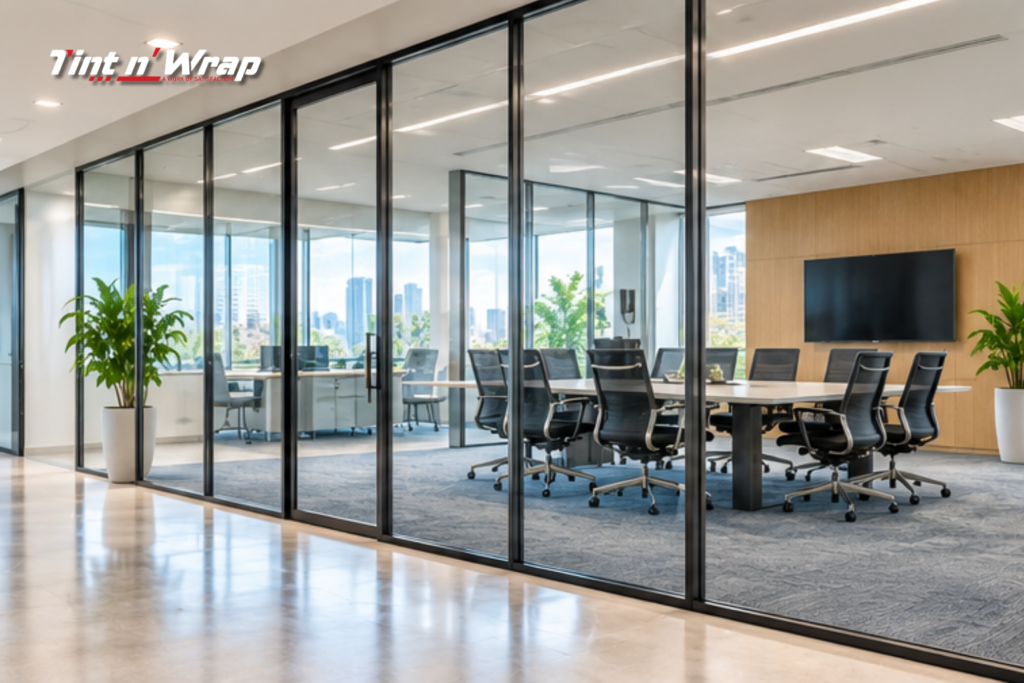
Glass partitions are common in modern offices. Applying safety film can help manage broken glass fragments if accidental breakage occurs.
Shopfronts and Glass Doors
Commercial premises often have frequent customer and staff movement. Broken glass doors or shopfront panels can create hazards for people nearby.
Lift Glass Panels
Some lift installations use glass for decorative or enclosure purposes. Since these applications involve specific structural and installation conditions, the glass type and intended use should be assessed before selecting a suitable safety solution.
5. What Should You Consider When Choosing Safety Window Film?
Safety films are available in different thicknesses, material constructions and performance specifications.
Choosing the right product should involve more than simply comparing MIL ratings.
Here are several important factors to consider:
1. Film Thickness
Safety film thickness is commonly measured in MIL. Different thicknesses may offer different levels of tensile strength and overall film performance.
However, a thicker film does not automatically guarantee better protection in every application.
2. Film Construction and Tensile Strength
Apart from thickness, the material’s strength, flexibility and durability are also important.
These characteristics influence how the film performs when the glass breaks and how well it helps retain the fragments.
3. Adhesive System
The adhesive is an important connection between the film and the glass.
Even if the film itself has good tensile strength, the overall protection depends on how effectively the adhesive system maintains its bond with the glass.
4. Glass Compatibility and Installation Method
Different glass types, including annealed glass, tempered glass and laminated glass, have different structures and breakage characteristics.
Certain safety applications may also require an edge attachment system to help secure the filmed glass under specific conditions.
Therefore, product selection and installation methods should be matched to the actual glass conditions rather than based on product specifications alone.
6. Why Are Professional Assessment and Installation Important?
The performance of safety window film does not depend on the product alone. The existing glass condition and installation quality also play important roles.
Before installation, several factors should be assessed:
-
Existing glass type and thickness
-
Glass dimensions and installation location
-
Surrounding environment and potential risks
-
Required level of safety protection
-
Whether an additional edge attachment system is necessary
For large glass panels, public spaces and projects with specific safety requirements, the film and installation method should be selected according to the actual application.
Where intrusion resistance, fall protection or other specialised safety performance is required, the relevant testing standards and complete glazing system must also be considered.
Professional installation is not simply about applying film to glass. It is about ensuring that the selected product, glass conditions and installation requirements work together appropriately.
7. Adding Another Layer of Protection to Architectural Glass
Glass brings natural light, openness and modern design to buildings. However, the potential risks associated with broken glass should not be overlooked.
Safety Window Film provides one way to improve the management of broken glass fragments.
It does not make glass unbreakable, nor does it replace every type of specialised safety glazing system. However, under suitable application conditions, it can form part of a building’s overall glass safety solution.
Tint n’ Wrap provides Safety Film materials and professional installation services for residential, office, commercial and architectural glass applications.
We assess the existing glass conditions and project requirements to help determine a suitable safety film solution.
If you are considering adding safety protection to your building’s glass, contact us to discuss your project.
Tint n’ Wrap
Professional Window Film & Architectural Film Installation
Living rooms: Balance heat control and daylight
Living rooms often benefit from natural light and clear outdoor views. A film with suitable solar-control performance and VLT can help manage heat without making the space unnecessarily dark.
Bedrooms: Consider sunlight exposure and comfort
Bedrooms exposed to direct sunlight may benefit from solar-control film. The appropriate choice depends on the window’s orientation, the time of day when sunlight enters and your preferred indoor brightness.
Home offices: Manage glare
Direct sunlight can create reflections on computer screens and make working less comfortable. Suitable window film may help reduce excessive glare, although the results depend on sunlight direction, screen position and film performance.
West-facing windows: Focus on afternoon sunlight
West-facing windows often receive strong afternoon sunlight in Malaysia. If a particular room becomes uncomfortable during this period, these windows may be a useful starting point for assessing potential improvements.
Instead of automatically applying the same film to every window, prioritise the areas where heat and glare are most noticeable.
4. Why Should Your Glass Be Assessed Before Installation?
Window film performance depends not only on the product but also on its compatibility with the existing glass.
Different glazing types, including standard, tempered, laminated and double-glazed glass, can respond differently to solar radiation and heat. Certain film-and-glass combinations may increase thermal stress and the risk of glass breakage.
Before installation, several factors should be considered:
Glass type and condition: Determine whether the existing glazing is suitable for the proposed film.
Window orientation: Assess sunlight direction, exposure and surrounding shade.
Film specifications: Compare VLT, solar-control performance and other relevant product data.
Installation conditions: Consider window size, accessibility and site requirements.
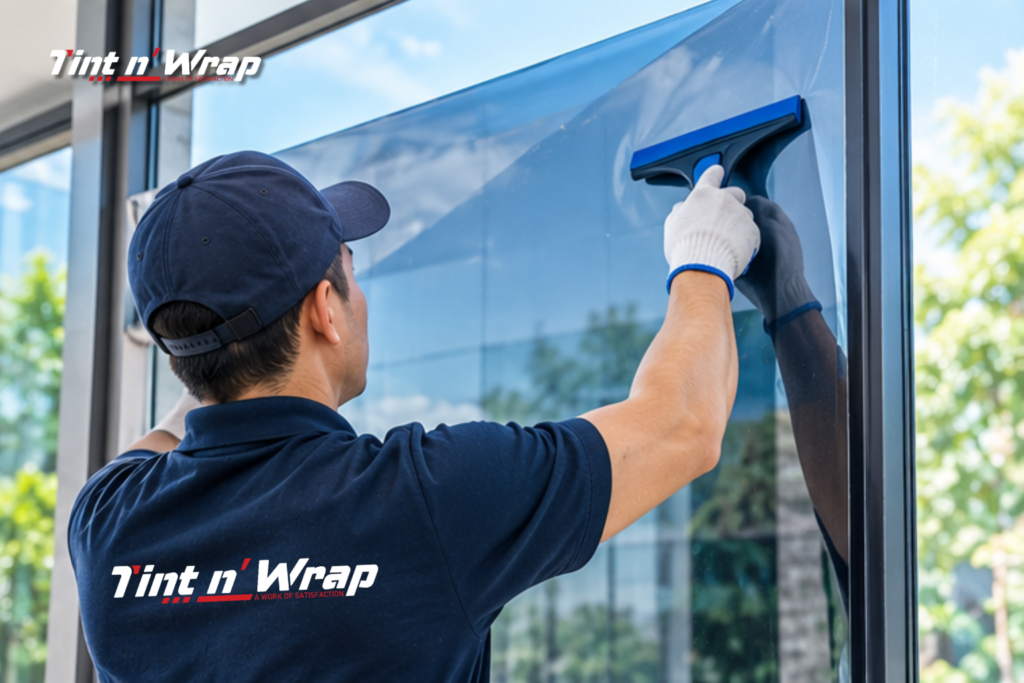
Professional installation also involves thorough glass cleaning, accurate film cutting, careful application and appropriate aftercare guidance.
Selecting a suitable film and following the correct installation process helps achieve a neat finish while taking the property’s glazing requirements into account.
5. How Can You Make the Right Choice?
When selecting residential window film, avoid focusing only on the darkest appearance, the biggest advertised performance number or the lowest price.
Start by identifying the main problem you want to address. Is it afternoon heat, excessive glare, uncomfortable indoor temperatures or the need to maintain natural daylight?
Next, consider the glass type, window orientation, VLT, SHGC and product compatibility.
These factors provide a more practical basis for comparing options and selecting a solution that suits your home.
Conclusion: Find the Right Balance Between Heat Control and Natural Light
Solar window film is not simply about making windows darker. It is about managing solar heat and glare while maintaining the level of natural daylight you want in your home.
For Malaysian homes exposed to strong sunlight, especially those with large glass windows or west-facing glazing, selecting a suitable film can be a practical step towards improving indoor comfort.

At Tint n’ Wrap, we provide professional window film installation services for residential and commercial properties. We assess your requirements, consider your existing windows and help you identify a suitable film solution for your space.
Looking for solar window film for your home in Malaysia?
Contact Tint n’ Wrap to discuss your window conditions, sunlight exposure and installation requirements.

