

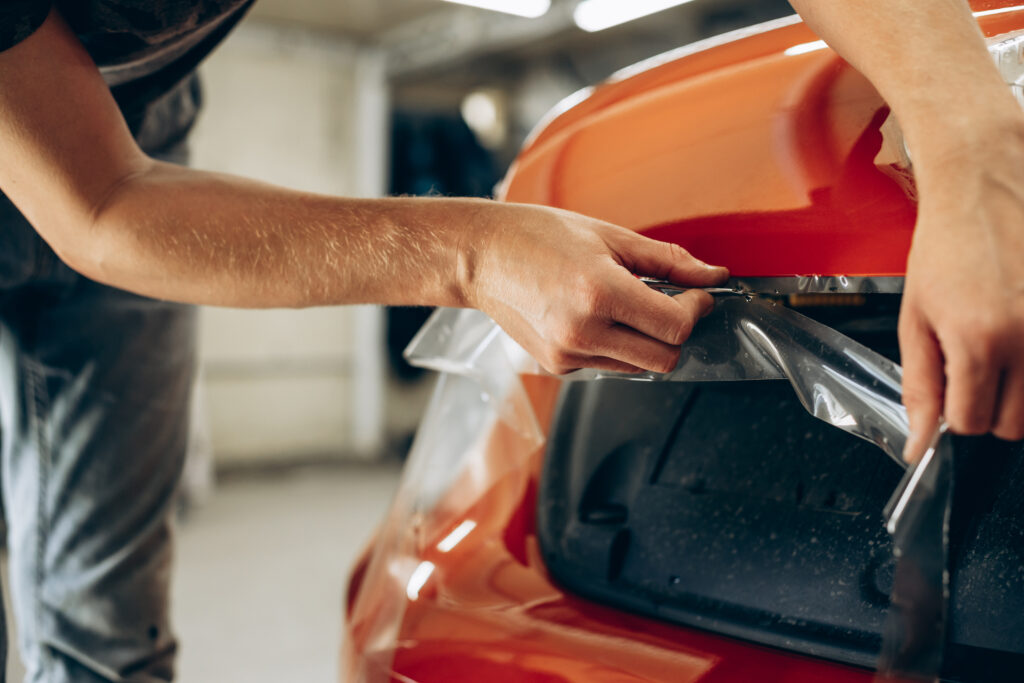
PPF Explained: How Paint Protection Film Protects Your Car from Scratches & Chips
Paint Protection Film (PPF) has quickly become one of the most popular ways to protect a vehicle’s exterior. It keeps your paint looking new, reduces scratches, and protects against rock chips, oxidation, and everyday wear. But how does it actually work? This simple guide explains everything a consumer needs to know—without technical jargon.
What is PPF? Understanding the Multi-Layer Protective Film
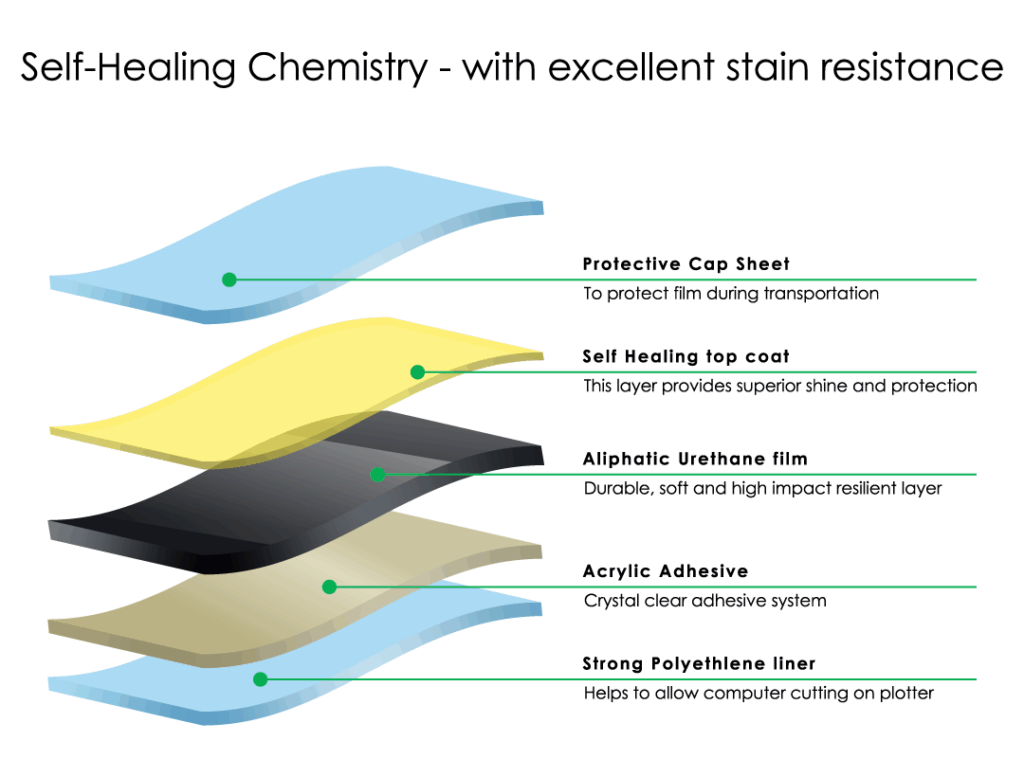
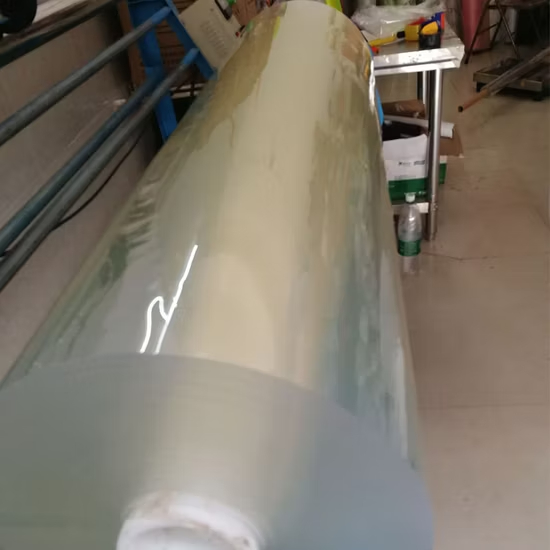
Paint Protection Film is a clear, flexible polyurethane film that is applied to the vehicle’s painted surfaces. Although thin, it is engineered with multiple layers that work together:
A durable top coating
A self-healing elastomer layer
A strong TPU impact-absorbing layer
A pressure-sensitive adhesive
Together, these layers protect your car while maintaining clarity and shine.
The Core Function: How PPF Provides Full-Spectrum Vehicle Protection
PPF provides multiple types of protection thanks to its unique material properties. Here are the most important ways it works.
Impact Resistance: Preventing Rock Chips and Dents (TPU Structure)
The road constantly throws small stones, sand, and debris toward the front of your vehicle. Without protection, these impacts can cause:
Paint chips
Dents
Surface damage
The TPU structure of PPF absorbs and disperses impact energy, preventing most of these damages from reaching your paint.
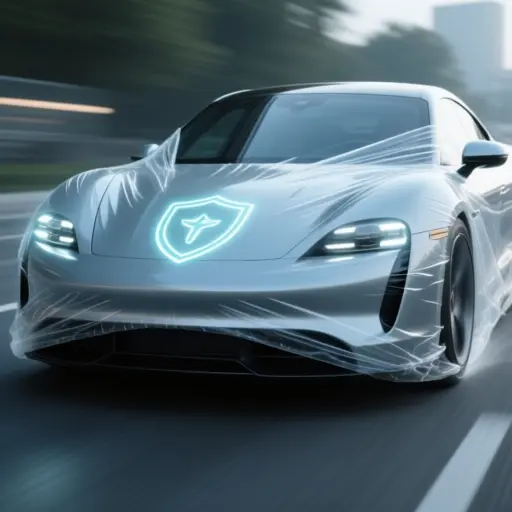
Think of PPF as a transparent armor for your car.
Scratch Resistance: Eliminating Swirl Marks from Daily Washing
The top coating on PPF helps reduce minor scratches and swirl marks caused by:
Washing
Wiping
Fingernails around door handles
Light brushing against objects
Most superficial marks affect only the film—not your actual paint.
Self-Healing: How Heat Automatically Repairs Light Scratches
Modern PPF can repair light scratches on its own.
The top layer contains elastic polymers that rearrange when exposed to heat.
Self-healing activates with:
Sunlight
Warm water
Normal temperature changes
This allows small marks and swirl lines to disappear, keeping the surface looking clean and new.

UV and Chemical Resistance: Protecting Paint Brightness and Lifespan
PPF helps shield your paint from environmental damage, including:
UV rays that cause fading and oxidation
Bird droppings
Bug stains
Acidic rain
Road tar
Certain chemical cleaners
This extends the lifespan and brightness of your original paint.
High-Impact Areas: Where PPF Provides the Most Protection Value
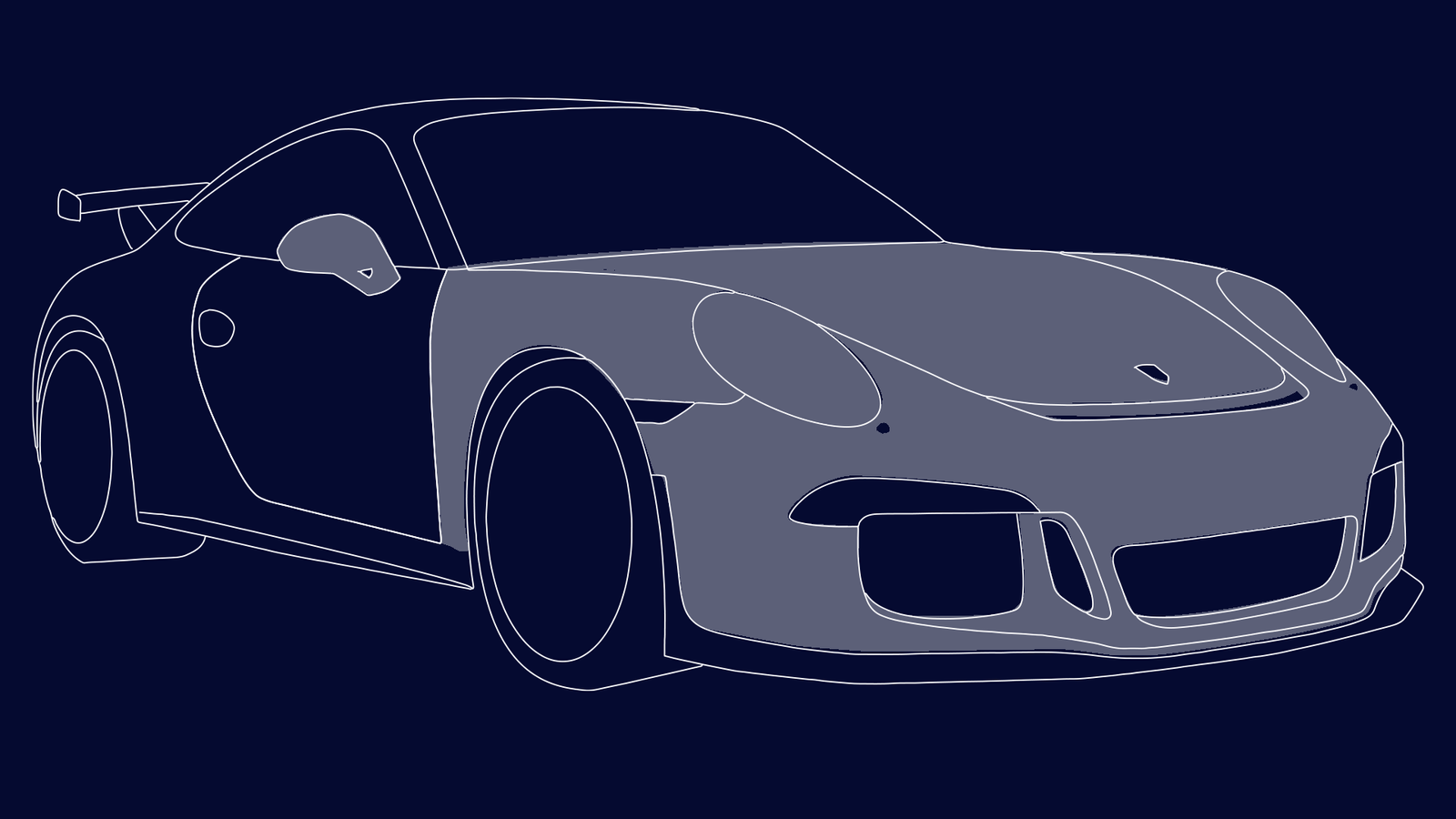
While full-body PPF provides the best protection, many car owners choose to protect only high-impact areas. These include:
Front bumper
Front part of the hood
Side mirrors
Door handle cups
Door edges
Rear trunk loading area
These spots face the most contact, scratches, and stone chips.
PPF Longevity: What Determines the Lifespan of Your Protection Film?
Lifespan depends on film quality, installation skills, and environmental conditions. In general:
5–7 years for standard high-quality films
8–10 years for premium TPU films with advanced top coatings
Proper washing and maintenance will help your PPF stay clear, glossy, and durable for years.
Realistic Expectations: What PPF is NOT Designed to Do
It’s important to have realistic expectations. PPF cannot:
Prevent damage from strong impacts or collisions
Stop all scratches (deep ones may still mark the film)
Repair an already damaged or repainted surface
Avoid aging completely—yellowing and wear can still occur over many years
PPF significantly reduces daily damage, but it is not indestructible.
The Final Verdict: Is Paint Protection Film Worth the Investment?
PPF provides long-term value, especially for car owners who:
Frequently drive on highways
Want to maintain a “new car” look for years
Have a new or high-value vehicle
Park in tight or high-risk environments
Hate swirl marks from washing
It preserves both the appearance and the value of the car, and often prevents costly paint repairs in the future.
Conclusion: Secure Your Car’s Value with Premium PPF Installation
Paint Protection Film is one of the most effective ways to protect your vehicle’s paint from daily wear, environmental damage, and physical impact. With proper installation and care, it can keep your car looking new for many years while reducing maintenance costs

